




Introduction
Most care homes don’t struggle because they lack policies. They struggle because the policy system they have doesn’t work in practice. When staff can’t quickly find the right procedure mid-shift, when updates take weeks to roll out, or when different versions are floating around, the result is predictable: people rely on memory, habit, and “what we usually do.” That’s when practice becomes inconsistent, and inconsistency is exactly what CQC inspectors pick up on, particularly under Safe and Well-led.
Right now, more than 2,000 care homes in England are rated “Requires Improvement” or “Inadequate” by the CQC. Poor policy access, inconsistencies between policy and practice, and weak oversight are recurring contributors to these outcomes.
Below we break down the most common ways policy systems drag services into repeat findings — and what to change so your policies become a practical tool for safer care, stronger governance, and a better CQC outcome.
Before we dive in, we would love to hear your thoughts below!
Poll: Which policy management issue do you think most risks a CQC rating?
Cast your vote and see what matters to your peers!
When Staff Can’t Find the Answer Fast, Risk Fills the Gap
In a care home, decisions get made in real time: a resident deteriorates, a safeguarding concern is raised, a medicine is missed, a family complaint escalates. In those moments, staff don’t have the luxury of digging through folders, scrolling long PDFs, or guessing which version is current.
If your policy system is slow, clunky, or hard to search, people default to memory and habit and that’s where inconsistency creeps in. From a CQC perspective, inconsistency is a red flag because it suggests the service isn’t reliably safe or well-led. You might have strong policies on paper, but if they aren’t accessible at the point of care, they can’t protect residents or staff.
Over time, this shows up as repeated issues: unclear escalation, variable incident reporting, inconsistent IPC steps, and “we thought that’s how it’s done” explanations that don’t stand up in inspection.
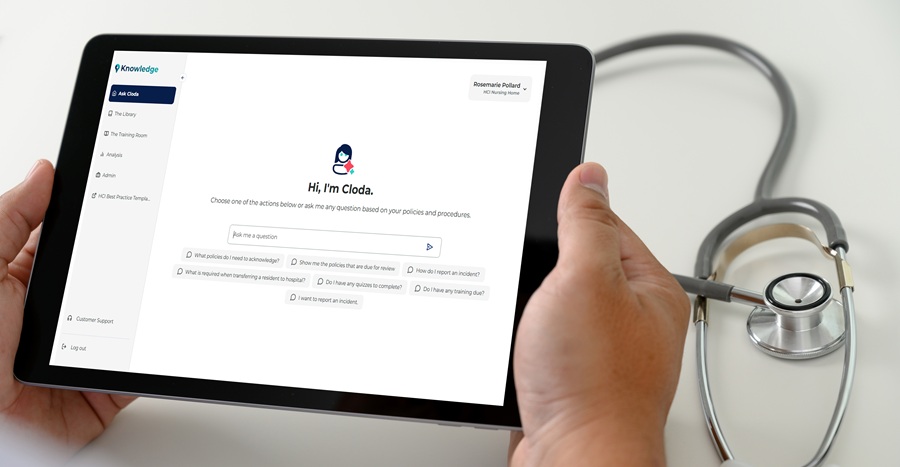
Cloda helps care homes by making the right procedure findable in seconds. Staff can simply ask Cloda a question and she will provide the answers they need instantly, directly from your policies and procedures.
Version Chaos: The Quiet Killer of Governance
Version control is one of the fastest ways a care home’s governance gets undermined. When policies live across shared drives, email attachments, printed folders and “the manager’s copy”, staff can easily follow an older version without realising.
Leaders may believe an update is embedded because it was circulated, but CQC will test consistency by asking different staff the same questions and comparing policy to practice. If answers vary, it signals weak oversight. A robust policy system should show one current version, what changed, when it changed, and how staff were informed.
With Cloda, you get centralised version control, instant update visibility, and clear change logs — so everyone always uses the same up‑to‑date guidance. When staff ask Cloda a question, her answer will always come from the latest, approved policy and procedure.
Training Becomes a Tick-Box When Policies Aren’t Embedded
Training can look strong on paper and still fail in practice if policies aren’t easy to access and apply. Staff may complete mandatory training, but weeks later feel unsure in real situations, especially under pressure. If policies are hard to find, too long, or unclear, people revert to habit or “ask the senior”, creating inconsistency.
CQC is looking for competence and reliable practice – not just completed training certificates. A good policy system such as Cloda and The Library, reinforces training by making the right procedure quick to find, easy to understand, and aligned to what staff were taught.
Cloda Helps Turn Audit Findings Into Safer Practice
Many care homes run regular audits — but when the same issues keep returning, it’s often because staff aren’t confident about what “good” looks like in real-world scenarios. An audit might flag inconsistent IPC steps, unclear documentation, or missed checks, yet unless staff can quickly access the right guidance, improvements rarely stick.
CQC expects a clear link between identified risks, the relevant policy, and evidence that staff understand and follow updated procedures. If your policy system is fragmented or hard to use, actions may be logged but not embedded — and leaders struggle to show sustained change.
Cloda helps close this loop by:
- Making the correct procedure instantly accessible at the point of care.
- Presenting policies in plain language so staff know exactly what to do.
- Linking audit findings to specific guidance and comprehension tools.
- Tracking engagement to confirm that updates have been understood.
With Cloda, policies become part of everyday decision-making — not background documents. That means audit actions lead to real change you can evidence in inspection.
When Policies Are ‘Somewhere’, Staff Create Workarounds
If policies aren’t easily accessible, staff will build workarounds, screenshots, printed cheat sheets, WhatsApp messages, “the way we do it on nights.” These aren’t laziness; they’re survival tactics in a pressured environment. But workarounds create variation, and variation creates risk. They also make it harder for leaders to control quality because practice drifts away from the official procedure.
In inspection, this shows up as inconsistent answers, gaps in documentation, and unclear escalation routes, often pulling down Safe and Well-led. A policy system should reduce workarounds by making the correct guidance quick, searchable, and easy to follow.
Cloda does exactly that, by embedding policy into workflow and reducing variability in practice.
Cloda Makes Policies Usable, Trackable, and Inspection-Ready
The fix isn’t “more policies”, it’s a system that makes policies easily accessible, understood and embedded within your care home.
With Cloda, you can:
- Just Ask Cloda: Staff can ask Cloda about any care process and she will provide the answers they need directly from your best practice procedures.
- Multilingual Support: Staff can ask Cloda questions in their own language, and she replies in their language.
- Comprehension of Procedures: Cloda offers comprehension quizzes before staff acknowledge policies, helping to ensure understanding, reinforce learning, and strengthen accountability.
- Streamline Training Management: The integrated Training Room allows managers to assign, track, and monitor staff training requirements — streamlining training compliance.
- Microlearning Resources: Your Best Practice Policies and Procedures can be converted into podcast enabling staff to learn on the go, perfect for mobile home support teams.
- Demonstratable compliance: Every interaction — from policy updates to staff acknowledgments — is logged digitally. This creates a clear, auditable trail that simplifies compliance reporting for inspections, audits, and regulatory reviews.
For leaders, Cloda helps strengthen governance by making it easier to roll out updates, confirm staff acknowledgement, and reinforce learning with comprehension quizzes, so you can evidence that changes have landed, not just that they were communicated. When CQC asks “how do you know staff follow the process?”, you’re better placed to show a clear, consistent approach.
Conclusion
If your policy system is slow, fragmented, or hard to use, it quietly drives the very issues CQC flags: inconsistent practice, weak oversight, and repeated findings that don’t stick.
The goal isn’t perfect paperwork – it’s reliable care delivery and leadership that can evidence control. That means one source of truth, clear versioning, policies that translate into practical steps, and a feedback loop that shows learning is embedded. When staff can find the right guidance fast, and leaders can prove it’s current, understood, and followed, ratings move.
If you’re ready to see how Cloda can transform policy engagement and compliance in your organisation, contact info@cloda.ai.

Book a Demo (1)
"*" indicates required fields