




Introduction
Recent HIQA inspection reports for designated disability services in Ireland highlight a number of recurring compliance themes for providers. HCI reviewed 10 HIQA inspection reports, published in June, across adult, children’s and mixed disability services. While many reports recognised positive practice, including kind staff interactions, residents feeling safe, personalised bedrooms, community involvement and family satisfaction, they also identified areas where providers were required to take corrective action under the Health Act 2007 (Care and Support of Residents in Designated Centres for Persons (Children and Adults) with Disabilities) Regulations 2013.
Across the 10 reports reviewed, non-compliance was not confined to one area of service delivery. Instead, the findings point to a connected set of risks: governance systems that did not always identify or resolve issues quickly enough, staffing pressures affecting continuity of care, gaps in personal planning, premises and fire-safety deficits, incomplete safeguarding responses, and weaknesses in documentation and regulatory notifications.
For providers, the message is clear: compliance must be active, evidence-based and embedded in day-to-day practice, not limited to policy documents or post-inspection action plans.
Before we dive in, we would love to hear your thoughts below!
Poll: What’s the biggest obstacle to ensuring staff comply with policies and procedures in your organisation?
Cast your vote and see what your peers say!
Regulation 23: Governance and management
Non-compliant in 9 of the 10 reports reviewed
Regulation 23 was the most common area of non-compliance across the inspection reports reviewed. HIQA’s findings show that governance arrangements must do more than exist on paper, they must provide effective oversight of the quality and safety of care.
Inspectors identified weaknesses in how some services monitored risk, implemented quality improvement plans, reviewed incidents, ensured accurate documentation, and followed through on previous compliance commitments. In some centres, management systems had not adequately identified repeated issues in premises, safeguarding, fire safety, medication management or resident records. In others, the provider was not operating in line with registration conditions or the stated purpose of the service.
Example findings included:
- management systems not ensuring the service was safe, appropriate to residents’ needs, consistent and effectively monitored;
- six-monthly audits or annual reviews not identifying issues later found on inspection;
- action plans not being implemented or sustained;
- local oversight arrangements not identifying significant risks;
- unclear or ineffective accountability arrangements.
A key learning for providers is that governance systems must be able to answer three questions at all times:
- Do we know where our risks are?
- Are actions being completed and reviewed for effectiveness?
- Can we evidence that residents are receiving safe, consistent and person-centred support?
Where internal audits, six-monthly unannounced visits, annual reviews or incident reviews are not robust, non-compliance can continue unnoticed until inspection. HIQA’s findings reinforce the need for strong local oversight, clear escalation pathways, effective action tracking and meaningful consultation with residents and families.
Regulations 15 and 16: Staffing, training and supervision
Regulation 15 was non-compliant in 5 of the 10 reports reviewed
Regulation 16 was non-compliant in 2 of the 10 reports reviewed
Several reports identified staffing-related non-compliance. This included insufficient staffing levels, gaps in skill mix, reliance on relief or agency staff, lack of continuity of care, incomplete staff files, rota issues, and deficits in mandatory or resident-specific training.
In some services, residents were affected by a high use of unfamiliar staff. This impacted communication, activities, personal plans, safeguarding and fire-safety arrangements. In other services, staffing shortages affected the provider’s ability to operate the centre as registered, including the closure of part of a respite service.
Training and supervision were also recurring issues. Where residents have complex needs, providers must ensure that staff have the necessary training, competence and supervision to deliver safe support. This includes training in fire safety, safeguarding, positive behaviour support, infection prevention and control, medication, communication, epilepsy, feeding supports and other needs identified through assessment.
Example findings included:
- residents impacted by high use of relief or agency staff;
- insufficient staff available to operate all parts of a centre;
- planned and actual rosters not always clearly maintained;
- staff training records not up to date;
- staff supervision arrangements not being implemented as planned;
- gaps in resident-specific training or refresher training.
The compliance lesson is that staffing is not simply about numbers. Providers must demonstrate that the number, qualifications, experience and skill mix of staff are appropriate to residents’ assessed needs, the size and layout of the centre, and the service described in the statement of purpose.
Regulation 5: Individual assessment and personal plan
Non-compliant in 7 of the 10 reports reviewed
HIQA identified repeated issues under Regulation 5, particularly around the quality, review and implementation of personal plans. In some centres, assessments did not fully reflect residents’ current needs. In others, support plans did not clearly guide staff practice, were not updated following changes in circumstances, or did not adequately assess the effectiveness of the supports in place.
This is a significant finding because Regulation 5 sits at the heart of person-centred care. A personal plan should not be a static document. It should be a working tool that reflects the person’s needs, preferences, communication style, goals, risks, health needs, social supports and quality-of-life outcomes.
Example findings included:
- personal plans not updated to reflect current assessed needs;
- residents’ goals not being progressed or reviewed;
- support plans not providing enough guidance for staff;
- recommendations from assessments not being followed through;
- plans not reflecting changes in residents’ circumstances;
- limited evidence that plans were reviewed for effectiveness.
The reports show that providers should pay particular attention to whether:
- assessments are current and multidisciplinary where required;
- support plans are practical and guide staff in real situations;
- residents and representatives are meaningfully involved;
- goals and activities are followed through;
- plans are reviewed when needs change;
- the effectiveness of the plan is evaluated.
Where personal plans are incomplete or not implemented, there is a risk that residents receive inconsistent support, particularly when services rely on unfamiliar, relief or agency staff.
Regulations 17, 27 and 28: Premises, infection prevention and fire safety
Regulation 17 was non-compliant in 2 of the 10 reports reviewed
Regulation 27 was non-compliant in 1 of the 10 reports reviewed
Regulation 28 was non-compliant in 3 of the 10 reports reviewed
Premises and environmental safety featured strongly across the reports. HIQA identified issues including poor maintenance, damaged surfaces, inaccessible or unsuitable facilities, storage concerns, poor cleanliness, infection prevention and control deficits, and delays in completing planned refurbishment works.
Infection prevention and control findings included the need for improved cleaning schedules, deep-cleaning arrangements, availability of hand hygiene facilities, and environmental audits. These findings underline the importance of maintaining premises in a way that supports both dignity and safety.
Fire safety was another recurring area of concern. Issues included fire containment, fire detection and extinguishing arrangements, personal emergency evacuation plans, fire drills, staff knowledge, storage risks, and the need for review of fire precautions. In some cases, inspectors identified that premises issues could directly affect fire safety, such as damaged fire doors, inappropriate storage or equipment placed in areas that could affect escape routes.
Example findings included:
- premises not kept in a good state of repair;
- dirty or poorly maintained areas of the centre;
- delayed completion of refurbishment or premises improvement actions;
- inadequate infection prevention and control oversight;
- fire drills not completed or not reflecting realistic evacuation scenarios;
- storage practices creating fire or evacuation risks;
- fire-safety arrangements requiring review.
For providers, the key point is that premises, IPC and fire safety cannot be managed separately. A poorly maintained environment can create infection, dignity, accessibility and fire risks at the same time. Regular environmental audits should therefore look at the centre as a whole and prioritise risks that affect residents’ daily lives.
Regulations 8 and 31: Safeguarding and notification of incidents
Regulation 8 was non-compliant in 3 of the 10 reports reviewed
Regulation 31 was non-compliant in 3 of the 10 reports reviewed
Safeguarding-related non-compliance appeared in several reports. HIQA identified concerns around the protection of residents from abuse, the investigation of allegations or suspicions of abuse, and compliance with child safeguarding requirements. In some cases, incidents such as unexplained bruising had not been investigated in line with the provider’s own safeguarding policy.
Notification deficits were also identified, including failures to notify HIQA within the required timeframe about adverse incidents or allegations of abuse.
Example findings included:
- safeguarding incidents not investigated in line with policy;
- allegations or suspected abuse not notified within required timeframes;
- poor oversight of residents’ personal finances or possessions;
- safeguarding risks not sufficiently reviewed or escalated;
- records not providing adequate evidence of follow-up actions.
These findings reinforce the need for providers to have clear safeguarding governance. Staff must know what constitutes a concern, how to report it, how to preserve evidence, and how to escalate concerns. Persons in charge must ensure that notifications are made promptly and that all incidents are reviewed for patterns, learning and risk reduction.
Safeguarding is not only a reactive process. It also depends on stable staffing, good communication, accurate records, resident consultation, access to personal finances, and effective complaints systems.
Regulation 21: Records
Non-compliant in 2 of the 10 reports reviewed
Poor record management was another theme. HIQA identified non-compliance relating to records being incomplete, unavailable, inaccurate or not retained as required.
Record-keeping is often viewed as an administrative issue, but in regulated disability services it is a direct safety and governance matter. Records demonstrate that care has been planned, delivered, reviewed and escalated appropriately. They also support continuity when staff change, when residents move between services, or when incidents require review.
Example findings included:
- care records not available in the centre;
- incident records containing incorrect details;
- daily or night reports not completed fully;
- staff names not clearly recorded;
- documentation not reflecting the care and support provided;
- records not maintained in a way that supported effective oversight.
Providers should ensure that records are accurate, contemporaneous, accessible and aligned with practice. Where records do not reflect what is happening in the centre, governance systems cannot reliably monitor care quality.
Regulation 26: Risk management procedures
Non-compliant in 2 of the 10 reports reviewed
Risk management findings included weaknesses in the assessment, management and ongoing review of risks. In some services, risks relating to healthcare, finance, fire safety, behaviours of concern, environmental hazards or resident safety were not sufficiently assessed or controlled.
Example findings included:
- risk assessments not updated following incidents or changes in circumstances;
- control measures not clearly documented;
- risks linked to premises, fire safety or staffing not sufficiently escalated;
- risk registers not giving enough assurance that risks were actively managed;
- inadequate review of whether controls were effective.
Effective risk management requires more than a risk register. Providers must ensure that risks are specific, current, linked to residents’ assessed needs, and supported by clear control measures. Actions must be assigned, completed and reviewed. Where a risk remains open for a long period, providers should be able to evidence why and show what interim controls are in place.
Regulation 6 and Regulation 29: Healthcare and medicines
Regulation 6 was non-compliant in 1 of the 10 reports reviewed
Regulation 29 was non-compliant in 1 of the 10 reports reviewed
Some reports identified non-compliance in healthcare and medicines management. Healthcare findings included the need for appropriate follow-up of identified health needs and ensuring that healthcare plans reflected residents’ assessed needs. Medicines findings included practices relating to administration, storage, prescribing, disposal or ensuring that medicines are administered as prescribed.
Example findings included:
- healthcare needs not consistently followed up;
- care plans not reflecting current healthcare requirements;
- medicines records not available or not complete;
- medicines management practices requiring urgent action;
- staff requiring clearer guidance on medicines administration or oversight.
These findings highlight the importance of clinical oversight, timely referrals, accurate care planning, medication audits and staff training. Where residents have complex health needs, providers must be able to evidence that health issues are monitored, escalated and reviewed.
Regulation 3, Registration Regulation 5 and Regulation 4: Statement of purpose, registration and policies
Regulation 3 was non-compliant in 2 of the 10 reports reviewed
Registration Regulation 5 was non-compliant in 2 of the 10 reports reviewed
Regulation 4 was non-compliant in 2 of the 10 reports reviewed
A number of reports identified issues relating to registration, the statement of purpose and written policies. Examples included inaccurate information submitted to the Chief Inspector, services not operating in line with registration conditions, changes to service provision without consultation, statements of purpose that did not accurately reflect the facilities or service being provided, and policies requiring review.
Example findings included:
- a service operating differently from its registered purpose;
- respite services being used for longer-term accommodation;
- changes to premises or service provision not reflected in registration documentation;
- statements of purpose not accurately describing facilities or services;
- Schedule 5 policies out of date or not reflective of current practice.
This is an important compliance message. The statement of purpose is not a formality. It is the core description of what the service is registered to provide. Where the actual service changes, for example from respite to longer-term accommodation, or where premises use changes, providers must ensure that regulatory requirements are followed.
Regulation 24 and Regulation 12: Admissions, contracts and personal possessions
Regulation 24 was non-compliant in 1 of the 10 reports reviewed
Regulation 12 was non-compliant in 1 of the 10 reports reviewed
Some reports identified issues with admissions and written agreements, including the terms on which residents live in the centre, charges and supports. There were also findings under Regulation 12 relating to residents’ access to, control of and support with personal property, possessions and finances.
Example findings included:
- contracts of care not clearly reflecting the service being provided;
- written agreements requiring review;
- arrangements for personal possessions requiring stronger safeguarding;
- unclear records relating to residents’ property or finances;
- insufficient assurance that residents’ assets were protected.
These areas are closely linked to residents’ rights and autonomy. Providers must ensure transparency around fees, supports, property, finances and decision-making. Residents should be supported to exercise control over their own lives, with safeguards in place where support is required.
Regulation 7, Regulation 9 and Regulation 10: Behaviour support, rights and communication
Regulation 7 was non-compliant in 1 of the 10 reports reviewed
Regulation 9 was non-compliant in 1 of the 10 reports reviewed
Regulation 10 was non-compliant in 1 of the 10 reports reviewed
The reports also identified non-compliance in positive behaviour support, residents’ rights and communication. These findings included the need for behaviour support plans to be current and implemented, restrictions to be reviewed, privacy and dignity to be protected, and residents’ communication needs to be understood by staff.
This is particularly important in services where residents use alternative communication methods or where unfamiliar staff are supporting residents. If staff do not understand how a person communicates, there is a risk that the person’s preferences, consent, distress, pain or choices may be missed.
Example findings included:
- behaviour support plans not providing enough practical guidance;
- communication plans not fully guiding staff practice;
- residents’ rights to privacy or dignity impacted by premises or service arrangements;
- restrictive practices requiring review;
- staff unfamiliar with residents’ individual communication methods.
Providers should ensure that communication profiles are practical, accessible and used in daily practice. Staff should be trained in each resident’s communication needs and should have clear guidance on how to support choice, autonomy, dignity and participation.
What providers should take from these findings
The findings across these 10 reports point to several sector-wide priorities:
- strengthen governance systems so that risks are identified and acted on before inspection;
- ensure staffing levels, skill mix, training and supervision reflect residents’ assessed needs;
- make personal plans practical, current and person-centred;
- maintain robust safeguarding, incident reporting and notification processes;
- ensure records are accurate, accessible and reflective of practice;
- review registration conditions and statements of purpose whenever service provision changes;
- evidence that residents’ rights, communication needs and choices are supported every day.

HIQA’s updated national standards: change is coming
These inspection findings should also be viewed in the context of HIQA’s public consultation on the updated National Standards for Residential Services for Disabled People.
HIQA launched the consultation on 4 June 2026 and is seeking feedback from people who use residential disability services, families, carers, providers, staff, advocates, Disabled Persons’ Organisations, researchers, policy-makers and the wider public. The consultation remains open until 5pm on 17 July 2026.
The current National Standards for Residential Services for Children and Adults with Disabilities were first published in 2013. HIQA has stated that the updated standards aim to reflect changes in policy, legislation and practice across the sector, including a stronger focus on human rights, person-centred decision-making and quality-of-life outcomes.
The proposed updates include:
- a stronger focus on human rights and person-centred decision-making;
- communication tailored to each person’s individual needs;
- improved support during transitions within and between services;
- clearer accountability and governance arrangements;
- appropriate use of technology, including assistive technology, communication technology and AI tools;
- a stronger focus on outcomes for people using services.
For disability service providers, this is an important moment. The inspection findings reviewed above already show HIQA’s continued focus on governance, accountability, rights, communication, safety and person-centred outcomes. The updated standards are likely to reinforce these expectations further.
Providers should use this consultation period to review their own services, identify gaps against current regulatory requirements and prepare for a standards environment that places human rights, quality of life and measurable outcomes at the centre of residential disability care.
How HCI can support providers
HCI supports disability service providers to strengthen governance, quality, safety and regulatory compliance. In the context of these HIQA findings and the forthcoming updated national standards, providers should consider reviewing their compliance frameworks, audit systems, staff training programmes, risk registers, personal planning processes and governance reporting structures.
Preparing early will help services move beyond reactive compliance and towards a culture of continuous improvement, where residents experience safe, rights-based and person-centred support every day.
Introducing Cloda: A Smart Digital Assistant for Disability Service Compliance
For disability services looking to strengthen HIQA compliance and support staff utilisation of your policies and procedures, Cloda is the compliance management system you need.
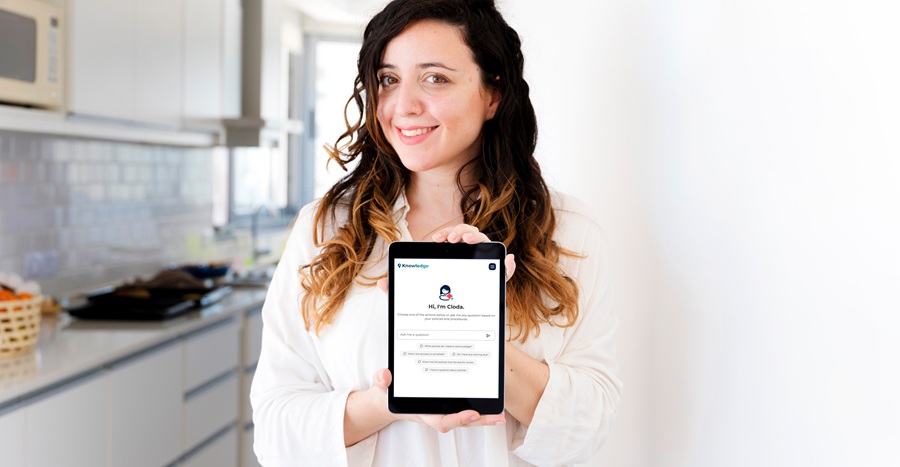
Cloda is the digital assistant available in staffs’ pocket to provide the answers they need to your policies and procedures — in their own language. In doing so, Cloda helps staff to deliver safer care, aligned with your approved procedures, and HIQA’s expectations. Because Cloda is mobile-friendly, staff can access her support instantly, whether they are in a residential care setting or out in the community with service users.
Cloda helps translate HIQA regulations into day-to-day practice. As the regulatory landscape evolves with updates to standards, new thematic inspections, and revised national guidance, Cloda ensures staff are always working from the most current, organisation-approved policies and procedures. Her instant support allows staff to query information when required, helping confirm that their actions align with up-to-date regulatory expectations. With instant access to procedures, teams reduce variation in practice and improve consistency.
Built-in comprehension quizzes support managers to evidence that staff have read and understood key policies, while centralised training oversight helps streamline mandatory training requirements and highlight gaps before they become inspection findings. With real-time visibility of compliance, risk themes, and policy engagement, Cloda enables providers to move from retrospective inspection preparation to proactive governance — strengthening assurance under Regulation 23 and across the wider regulatory framework
For more information or a demo of Cloda, contact info@cloda.ai or call 01 629 2559.
Key takeaways
- Governance and management was the most frequent area of non-compliance.
- Personal planning, staffing, safeguarding, premises, fire safety and records featured repeatedly across the reports.
- Many findings were interconnected, with staffing pressures affecting communication, safeguarding, activities, personal plans and fire-safety arrangements.
- HIQA’s findings reinforce the need for providers to move from reactive compliance to continuous quality improvement.
- Accurate statements of purpose, registration details, policies, records and notifications remain essential regulatory requirements.
- The public consultation on updated national standards signals further change, with stronger emphasis on human rights, communication, person-centred decision-making, governance and outcomes.
- Providers should use this period to review compliance frameworks, audit systems, risk registers, staff training, personal planning and governance reporting.

Book a Demo (1)
"*" indicates required fields

As Chief Research Officer, Oonagh is responsible for the development of Quality and Safety Management Systems that effectively address organisational regulatory requirements while meeting business needs. Through her evaluation of emerging research, tools and technologies, Oonagh ensures that best-in-market techniques are utilised throughout HCI services. A qualified ISO Lead Auditor and experienced lecturer at NUIG, she has been central to HCI’s work with regulatory bodies in developing standards for key care sectors.